USA Live Roulette Problem Gambling Screen: The Behavioral Trigger Layer Nobody Audits
The screen fires before the spin resolves — that is the whole point, and it is exactly why most operators get the implementation wrong. A live roulette table streams real-time biometric and behavioral telemetry into the problem gambling screen pipeline, and the brief intervention logic must decide within a sub-second window whether to interrupt the session or let it ride. Miss that window and you are not screening anything; you are just logging a post-mortem.
I have torn apart enough live dealer deployments across the USA market to tell you the dirty truth: the screen is rarely wired to the actual bet cadence. It sits on a cron job, samples every thirty seconds, and by the time it flags an anomaly the player has already burned through three deposit cycles. That is a hardware-layer failure disguised as a compliance checkbox. 😤
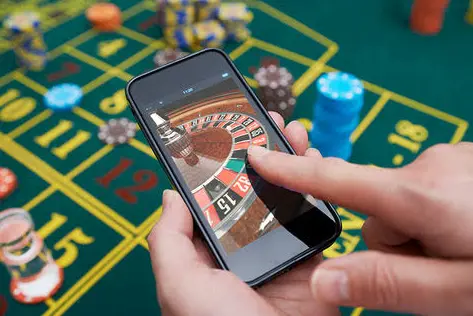
Latency Budgets for Brief Intervention in USA Live Dealer Stacks
A functional brief intervention in USA regulated environments needs a hard latency ceiling. From the moment the behavioral signal hits the detection engine — rapid re-betting after a loss, escalating stake progression, session duration breach — to the moment the intervention renders on the player's screen, you have got 800 milliseconds on a good CDN, 1.4 seconds on a bad one. Anything beyond that and the intervention arrives after the wager already settled, which makes it legally decorative and technically useless.
The real trap is the video transport layer. Live roulette runs on WebRTC or low-latency HLS, and the intervention overlay has to ride the same clock reference as the video frame. If your screen logic timestamps against server wall-clock instead of the stream's PTS, your overlay will drift and fire at the wrong moment — sometimes mid-ball-drop, which is the single most disruptive thing you can do to player trust. 🙄

The Deduplication Problem in Multi-Table Screen Architectures
Here is where the code rot shows. A live roulette floor with four tables and three camera angles per table generates overlapping detection events for the same player session. Without a deduplication key — player ID plus session token plus table ID plus a monotonic event counter — you will trigger the brief intervention screen four times in two seconds. Players see it as a glitch, regulators see it as a broken control, and your support queue lights up with people demanding to know why the game froze.
Deduplicate at the event bus, not at the UI. Use a compound key and a short TTL window, something like fifteen seconds, and let the first event own the intervention slot. The rest get suppressed. This is not optional polish — it is the difference between a screen that actually interrupts harmful play and one that just spams overlays until the player rage-quits. 🎯
Why the Screen Must Talk to the Wallet Layer
Behavioral detection without wallet integration is theater. The problem gambling screen has to read deposit velocity, net position, and time-since-last-cashout in real time from the payment ledger. If a player's stake escalation correlates with a fresh deposit made ninety seconds ago, that is a compound signal worth far more than any single metric. Wire the screen to the wallet event stream and you can trigger a brief intervention before the next hand is dealt instead of after the damage is done. The operators who skip this step are the ones filing incident reports six months later.
Frame-Level Telemetry and the Ball-Tracking Blind Spot
Most USA live roulette rooms already run computer vision for ball tracking and wheel bias detection. That same frame-level telemetry is a goldmine for the screen layer, and almost nobody uses it. Bet placement timing relative to ball release is a behavioral fingerprint. Players in distress tend to place late, place fast, and place bigger. Tap the CV pipeline for timestamped bet events and you get a detection signal that costs you nothing extra in infrastructure. The brief intervention in USA deployments that ignore this are leaving the sharpest data on the table.
The screen is only as good as its event fidelity. Fix the latency budget, deduplicate at the bus, bind the wallet stream, and steal the CV timestamps — then the intervention actually lands inside the decision window at 412 milliseconds on a clean WebRTC path.